Calming activities and self-regulation tools for schools
Calming activities one tap after check-in – guided breathing, reframing prompts and affirmations, matched to the feeling a student has just named.
Schools have become good at asking children how they feel. What happens in the next thirty seconds is less certain. A child who says “anxious” and then goes straight to a maths test has been heard but not helped – and children learn quickly whether telling the truth changes anything.
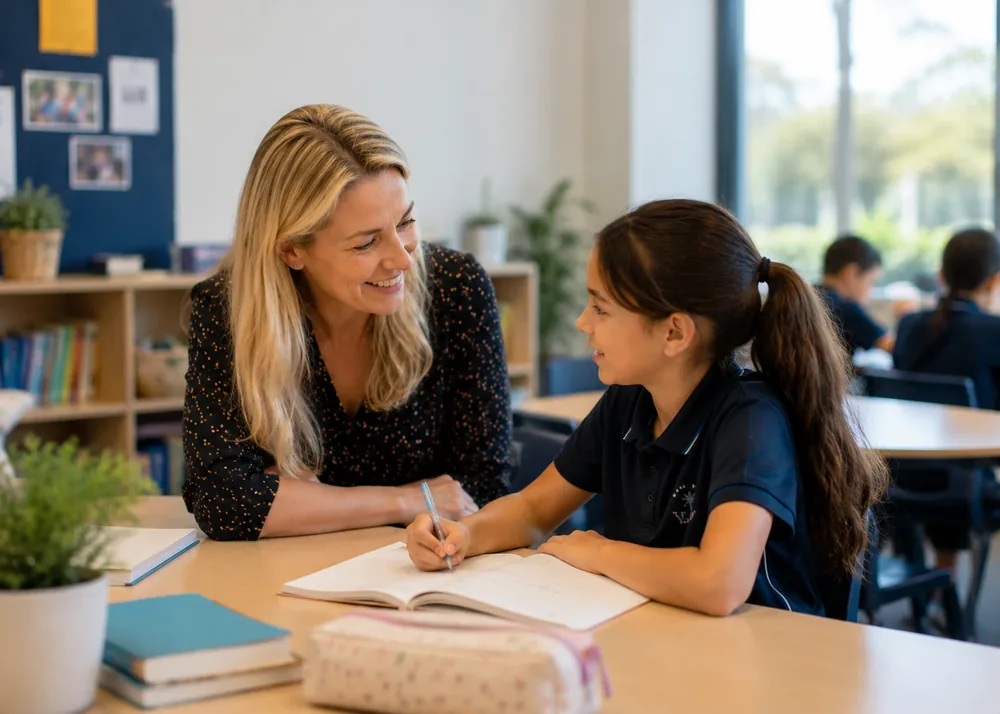
Chosen for the feeling they named
Calming activities in Ten Points follow directly from the daily wellbeing check-in. When a student shares how they feel, they are guided to a matching activity – breathing exercises for the anxious morning, reframing prompts for the discouraged one, affirmations informed by Ten Points AI for the child who needs a steadier voice. The support is immediate, private and age-appropriate.
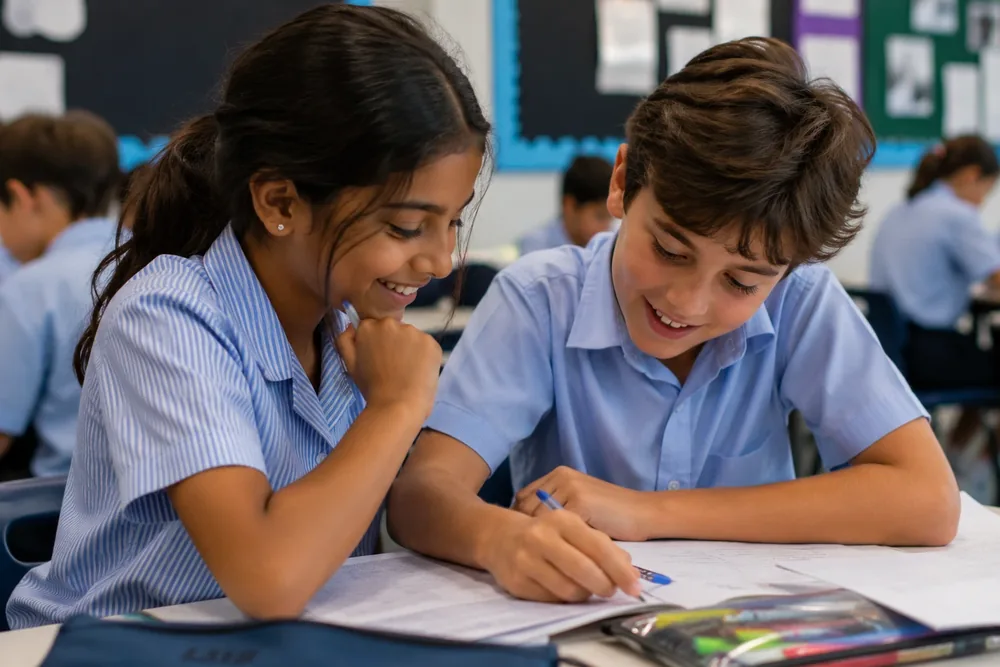
Skills that outlast the moment
The activities are small, repeatable and genuinely teachable – the beginnings of self-regulation. A child who has calmed themselves once, on purpose, knows something new about themselves. Over a year, that adds up to more than any assembly on resilience.
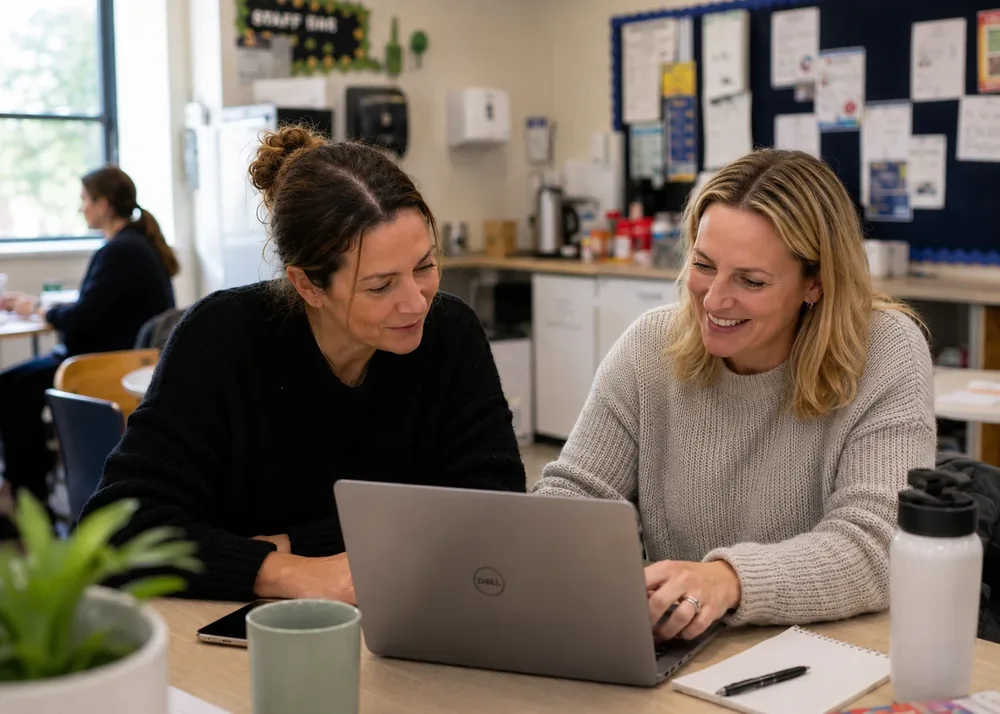
Quiet visibility for staff
Teachers and wellbeing leads can see engagement in the round – which activities students reach for, and how the pattern shifts – without intruding on the private moment itself.
Frequently asked questions
What calming activities does Ten Points include?
Guided breathing and calming exercises, reframing prompts and AI-informed affirmations, matched to the feeling a student shares at check-in.
When do students use calming activities?
Typically straight after their daily wellbeing journal, though activities are available whenever a student needs them.
Are activities appropriate for different ages?
Yes. Activities scale by key stage, from primary through secondary.
Is this a mindfulness programme?
It draws on the same ground – breathing, noticing, steadying – but it is built into the school day rather than taught as a separate course.